The battery cover
A quarter-millimetre of stainless steel
Behind the screen, a thin metal plate holds the lithium-ion battery in place. It has two jobs: shield the battery from impacts, and keep a swelling battery from pushing into the rest of the device or into the user's hand.
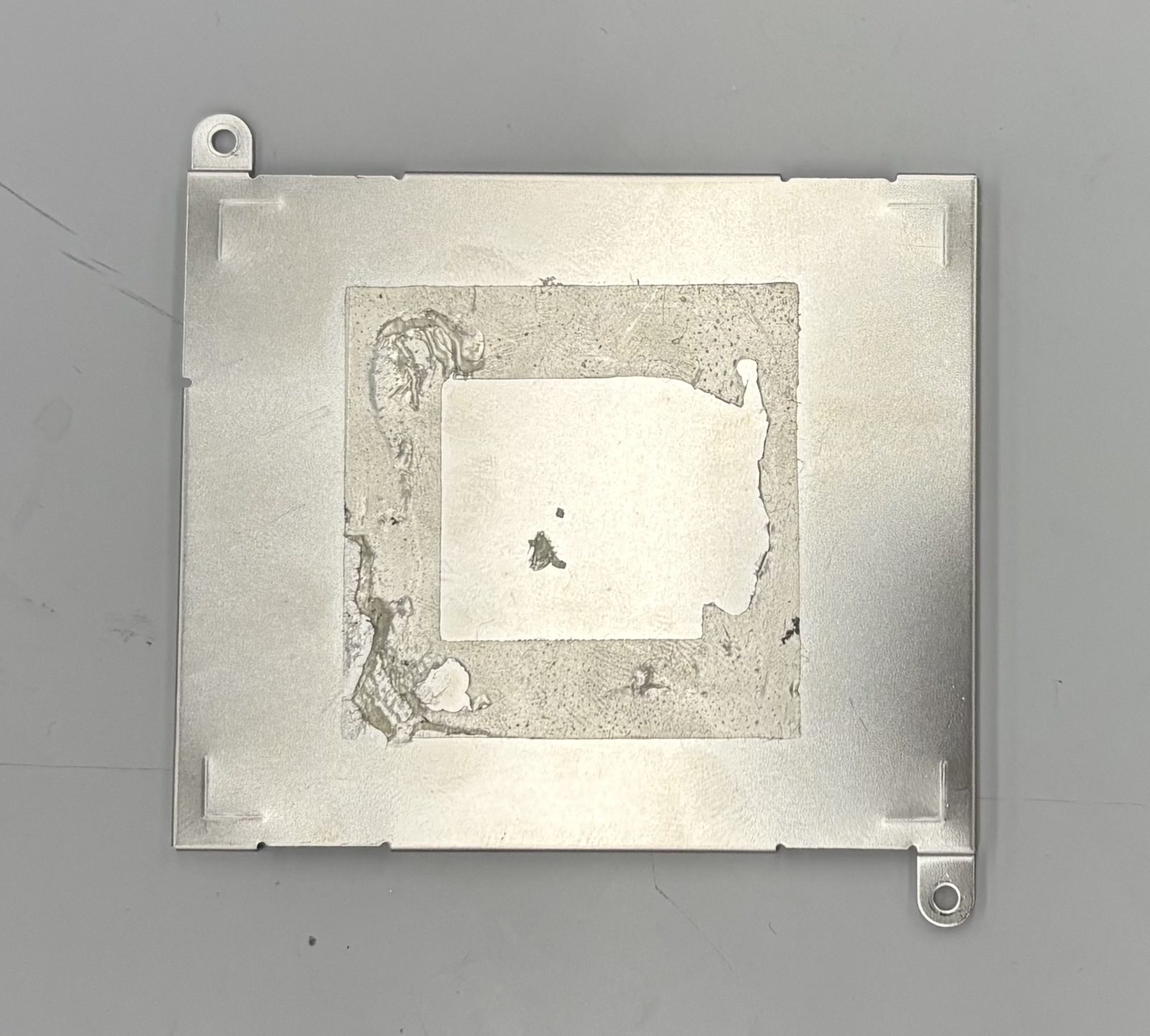
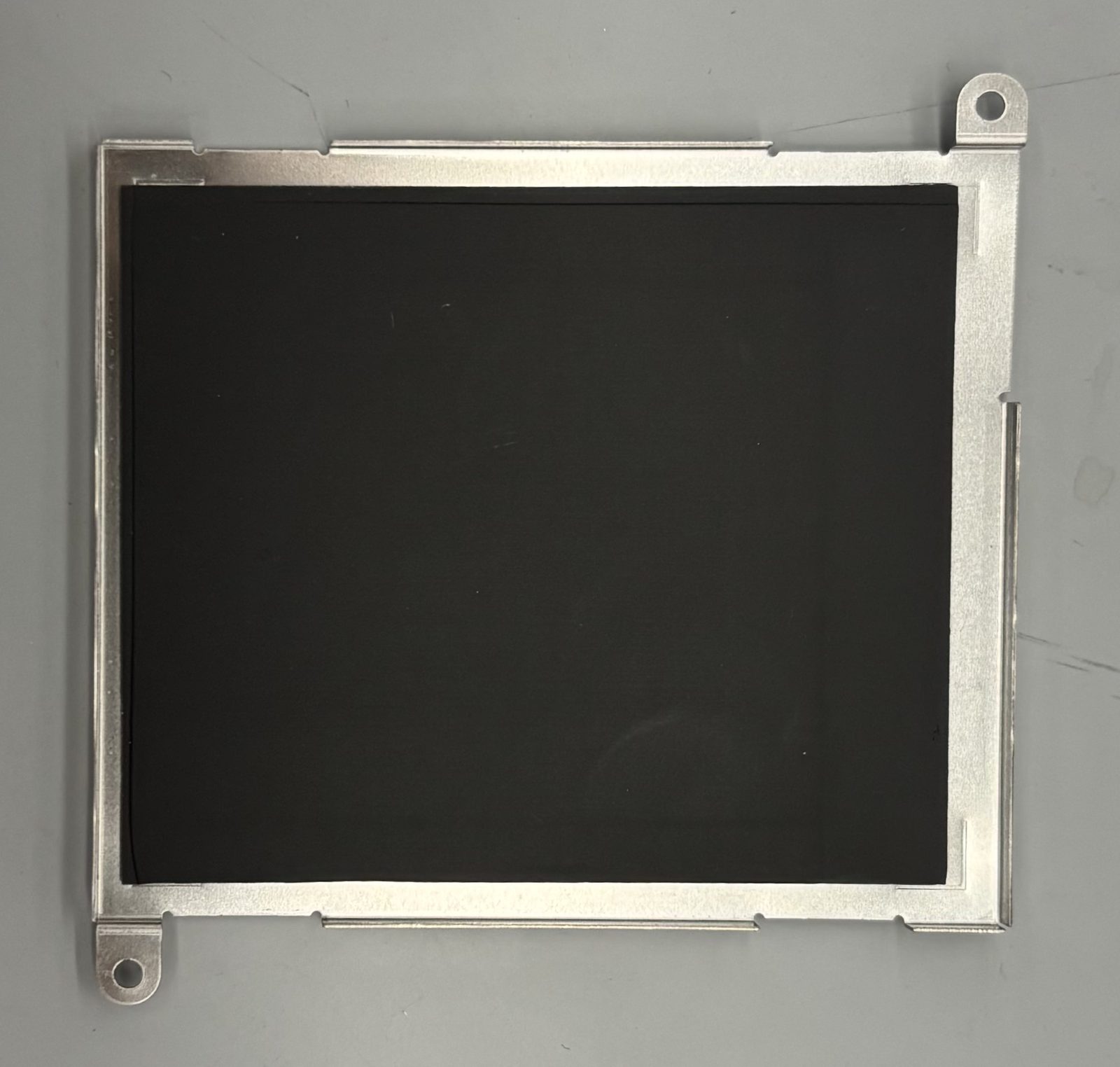
Identifying the alloy
To identify the material, we used XRF on a tab clipped off the battery cover. According to the XRF scan, the material is primarily iron with added chromium, nickel, and manganese (see Table 1). Comparing our numbers with the alloy data in Ansys Granta EduPack [5], the closest match is 301 stainless steel.
| Element | Measured (wt.%) | 301 SS spec (wt.%) |
|---|---|---|
| Fe (iron) | 74.4 | 70.8–78 (balance) |
| Cr (chromium) | 16.8 | 16–18 |
| Ni (nickel) | 6.2 | 6–8 |
| Mn (manganese) | 1.7 | 0–2 |
| C (carbon) | not detectable by XRF | 0–0.15 |
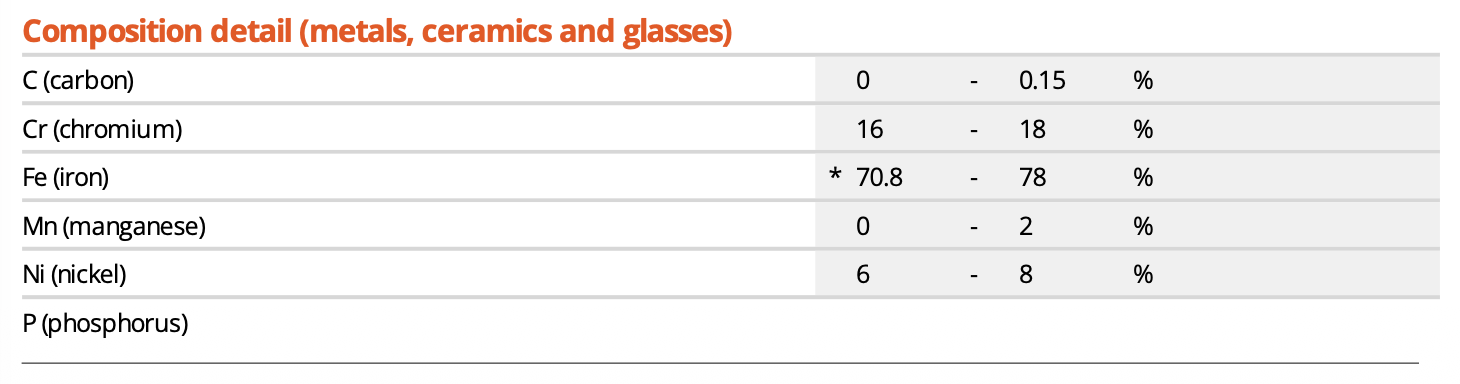
Stainless steel is primarily composed of iron with other metals added to enhance certain properties of the alloy such as strength, ductility, and corrosion resistance.
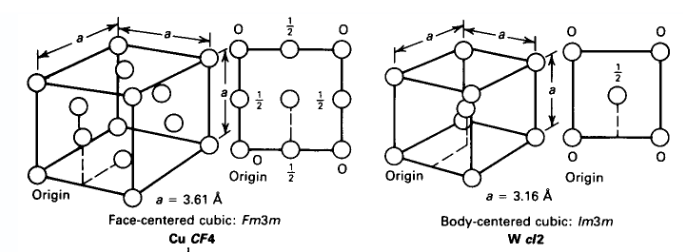
For example, our sample contains nickel (6.2%), which is added to stabilize the FCC crystal structure of the steel. When iron is heated over a temperature threshold of 910 °C, the crystal structure changes from body-centred cubic (BCC) to face-centred cubic (FCC). Nickel contents of roughly 6–10% mixed with the iron stabilize the iron’s FCC microstructure below 910 °C. This FCC microstructure is what defines austenitic stainless steel. Austenitic stainless steels are known for having more ductility than other stainless steels because the FCC crystalline structure is more closely packed compared to a BCC structure and therefore the atoms are more likely to slip past each other rather than fracturing in response to stress. This ductility is why nickel is found in our battery cover; it allows the steel to be rolled into thin sheet, then cut and bent into shape.

The battery cover also has a small amount of manganese (1.7%), which is added to stainless steels in order to bond with sulfur. Sulfur can react with the iron in the steel and create iron sulfides (FeS) which accelerate corrosion of the steel and make it more brittle and likely to crack [26]. Adding manganese to the alloy allows the manganese to bind with the sulfur to create manganese sulfide (MnS), a ceramic particle that ties up the sulfur and does not affect the strength of the steel. A brittle cover could crack if the Kindle were dropped, and would no longer protect the battery.
Chromium (16.8%) primarily provides the steel’s corrosion resistance. Chromium reacts with oxygen in water and air to form a thin layer of chromium oxide (Cr₂O₃) on the surface of the steel which prevents further oxidation and corrosion [27]. This chromium corrosion resistance is what makes stainless steels ‘stainless’ and why they’re used in a variety of environments. Corrosion resistance is a useful property for a battery cover because it's the first line of protection between the user and a leaking battery.
Mechanical properties
| Property | Value |
|---|---|
| Hardness (measured) | 308 HV |
| Young's modulus | 189 GPa |
| Yield strength | 758 MPa |
| Flexural strength | 696 MPa |
| Elongation at fracture | 16.5% |
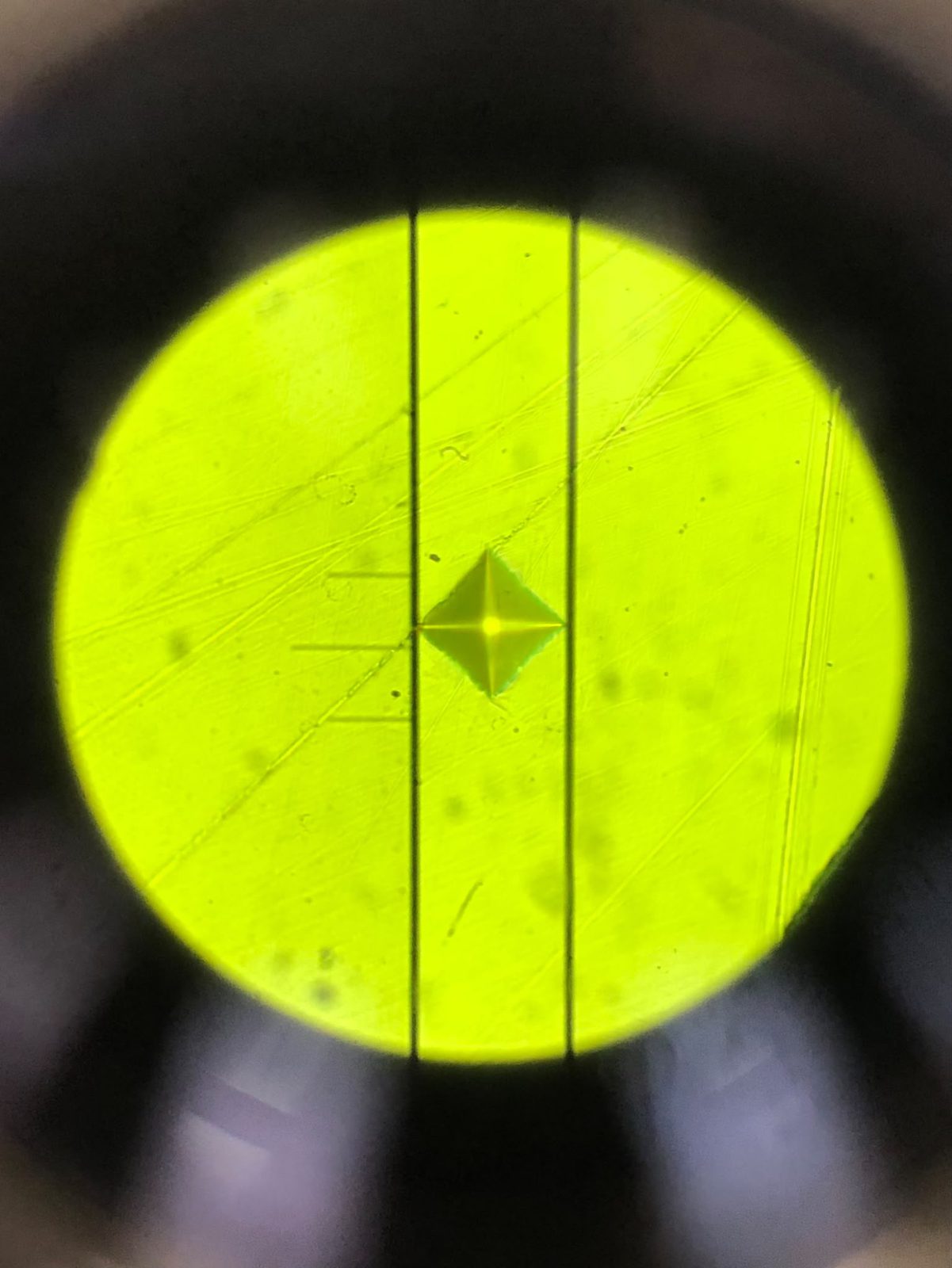
Hardness testing tells you how easy a material is to deform. Because of its FCC crystal structure, 301 stainless steel is very ductile: it has a relatively low yield strength but a large strain-hardening region. Most forces, including those in manufacturing, will plastically deform it, and each deformation work-hardens it. A work-hardened material has a higher yield strength but a smaller strain-hardening region before it fractures (Figure 5). Work hardening ranges from annealed (very soft) to full hard, and the Vickers hardness number rises along the way: annealed 301 stainless steel measures 215–240 HV and full-hard 301 measures 381–423 HV [5]. Measuring hardness therefore tells us how much work hardening the cover has already undergone.
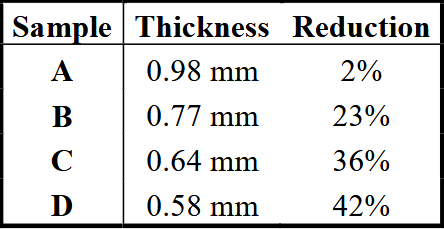
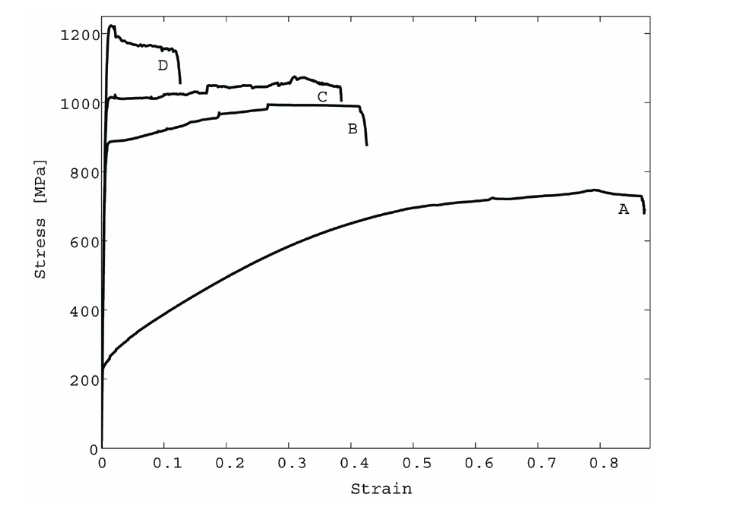
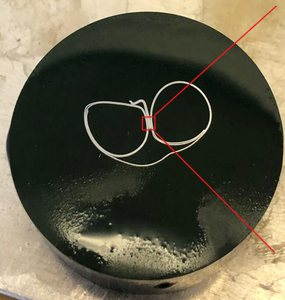
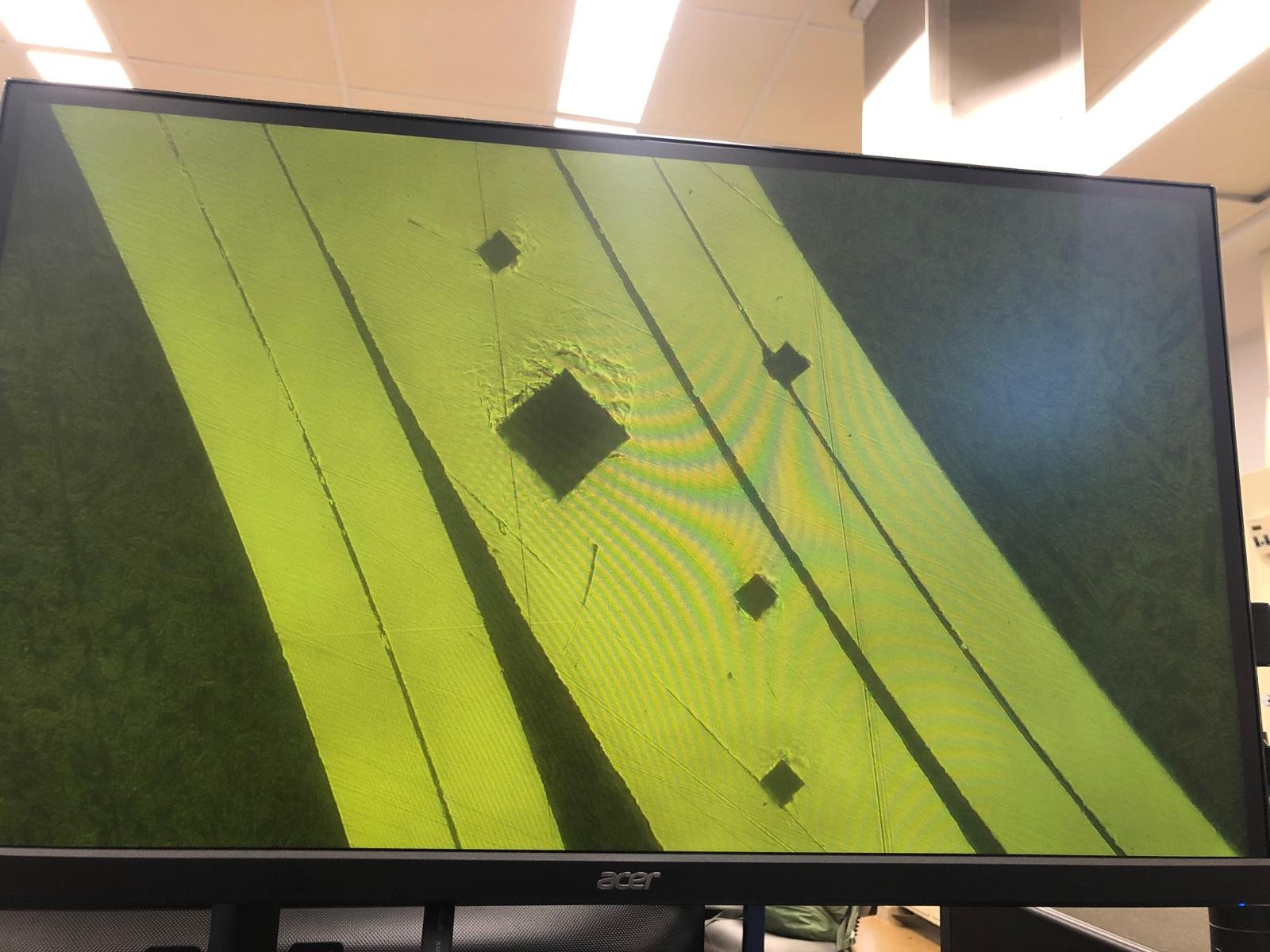
We tested the microhardness on a cross-section of the clipped-off tab. The sample was taken 5 mm from the bend in the tab, so we assume its hardness represents the rest of the cover. Our value of 308 HV falls within the range for ½-hard 301 stainless steel, 298–330 HV [5]. This means that our sample has been hardened by the manufacturing process but still has a lot of opportunity for further strain hardening.
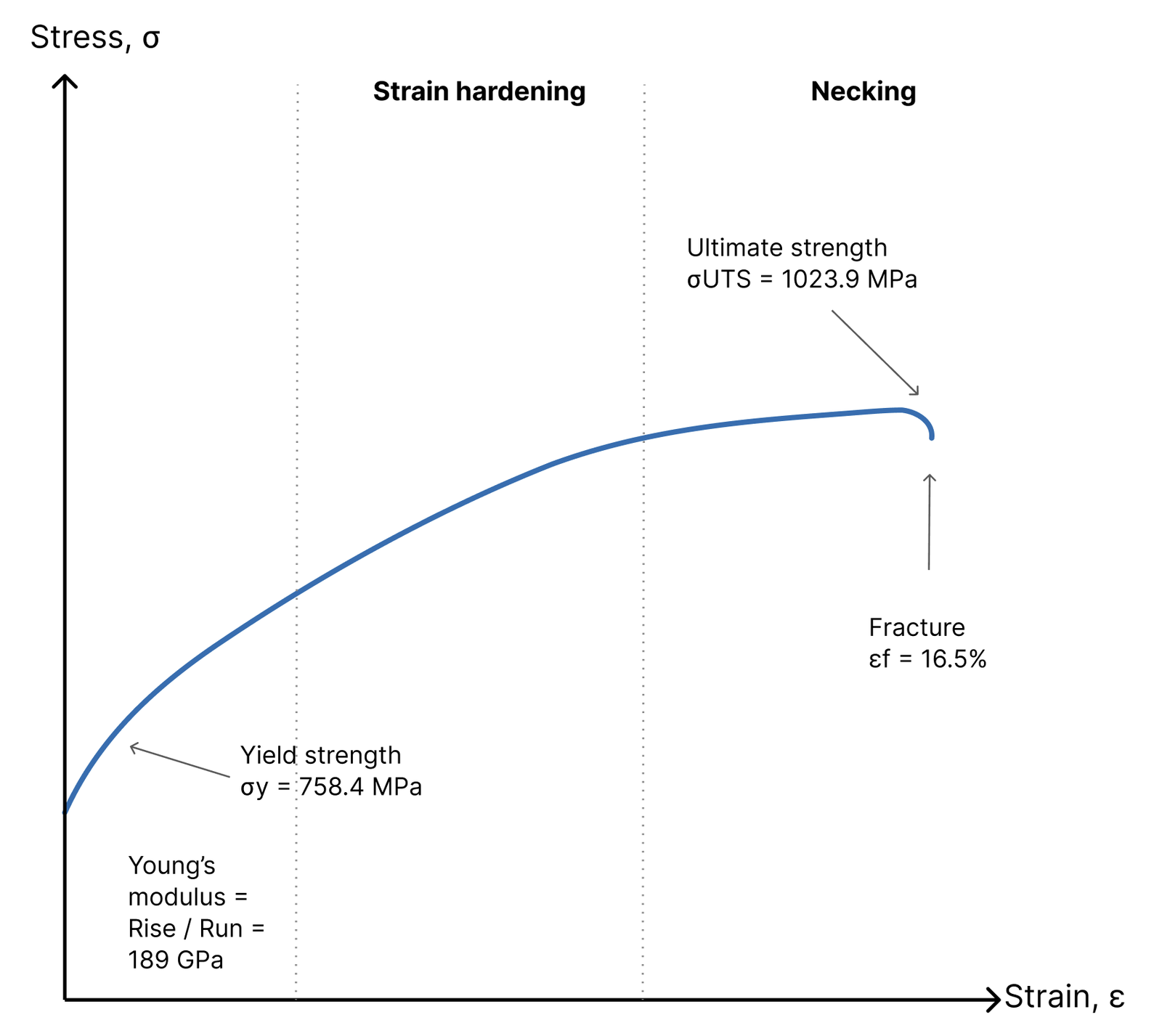
301 stainless steel has a large strain-hardening region before it fractures, which lets it reach high strength after cold working. It is moderately resistant to inorganic acids, organic acids and alkalis, and highly resistant to humidity and water [5].
Use phase
What happens when the battery swells?
As a lithium-ion battery ages, it can swell and push outward on whatever surrounds it, with swelling pressures reaching about 0.5 MPa [2]. We tested how the cover responds to that kind of load in two ways: a physical three-point bend test, and a finite element analysis (FEA) simulation of the cover as it sits in the Kindle.
Testing it: three-point bending
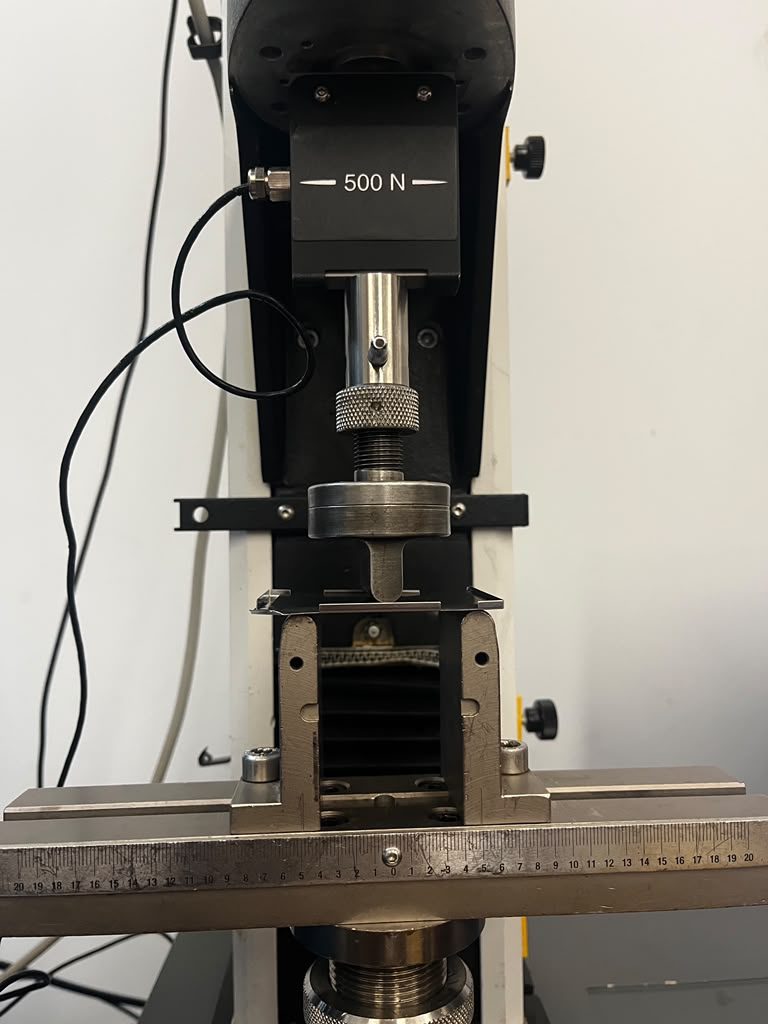
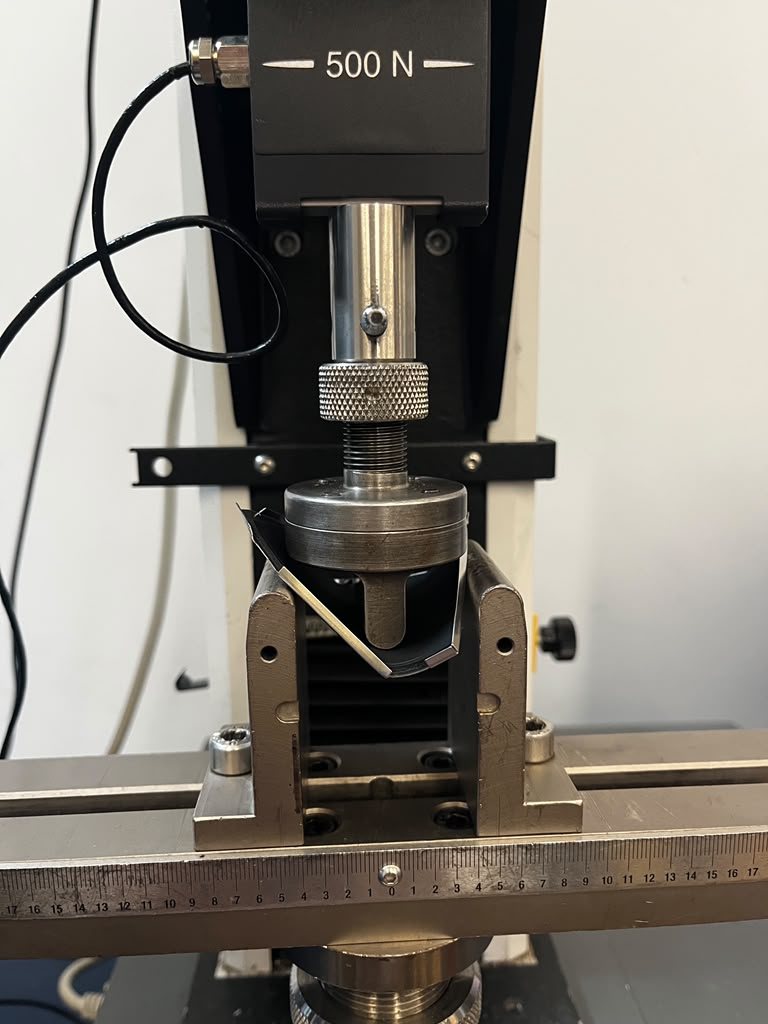
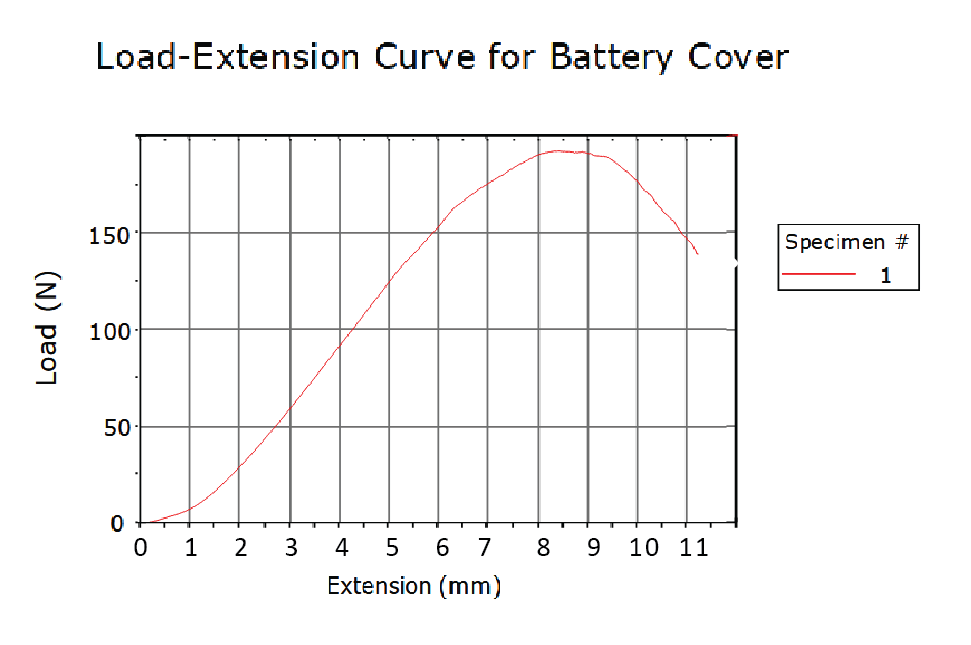
We modelled this load as flexure [6]. The cover is supported near its two ends and pushed at the centre, so its outer face stretches (tension) while its inner face squeezes (compression). We reproduced this on an Instron universal testing machine as a three-point bend test.
Finite Element Analysis Simulation
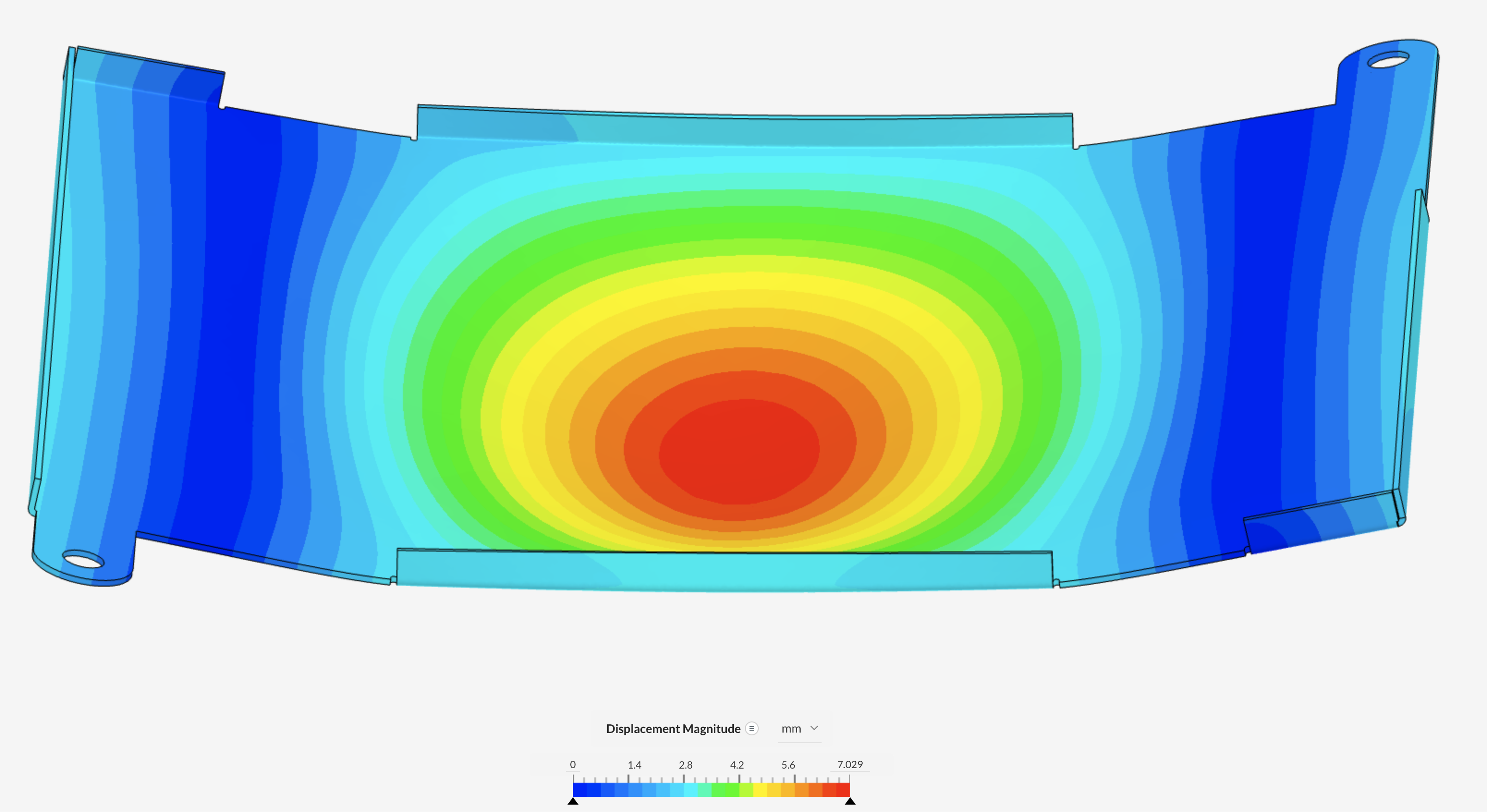
We first validate the FEA realism by simulating the three-point bending test. We applied a 192 N load and constraints similar to the three-point test, and the simulation gave a maximum displacement of 7.03 mm. That is only about 17.3% off the 8.5 mm measured at the same force in the real test, which validates our FEA setup.
We simulate the battery swelling with FEA because the three-point bend test is a simplification. In the Kindle, the cover isn't resting on two rollers and pushed by a single nose. It is bolted down by two screws through tabs on opposite corners, and a swelling battery presses on it across a broad area rather than at one line. A simple beam model would also treat the cover as a flat strip, ignoring the bent walls, tabs and holes that make it so much stiffer in practice.
The FEA uses full cover geometry and holds it the way the device actually does, so the simulation can show where stress concentrates and whether a swelling battery would ever push the steel past yield. In the simulation, we assume the foam is negligible.
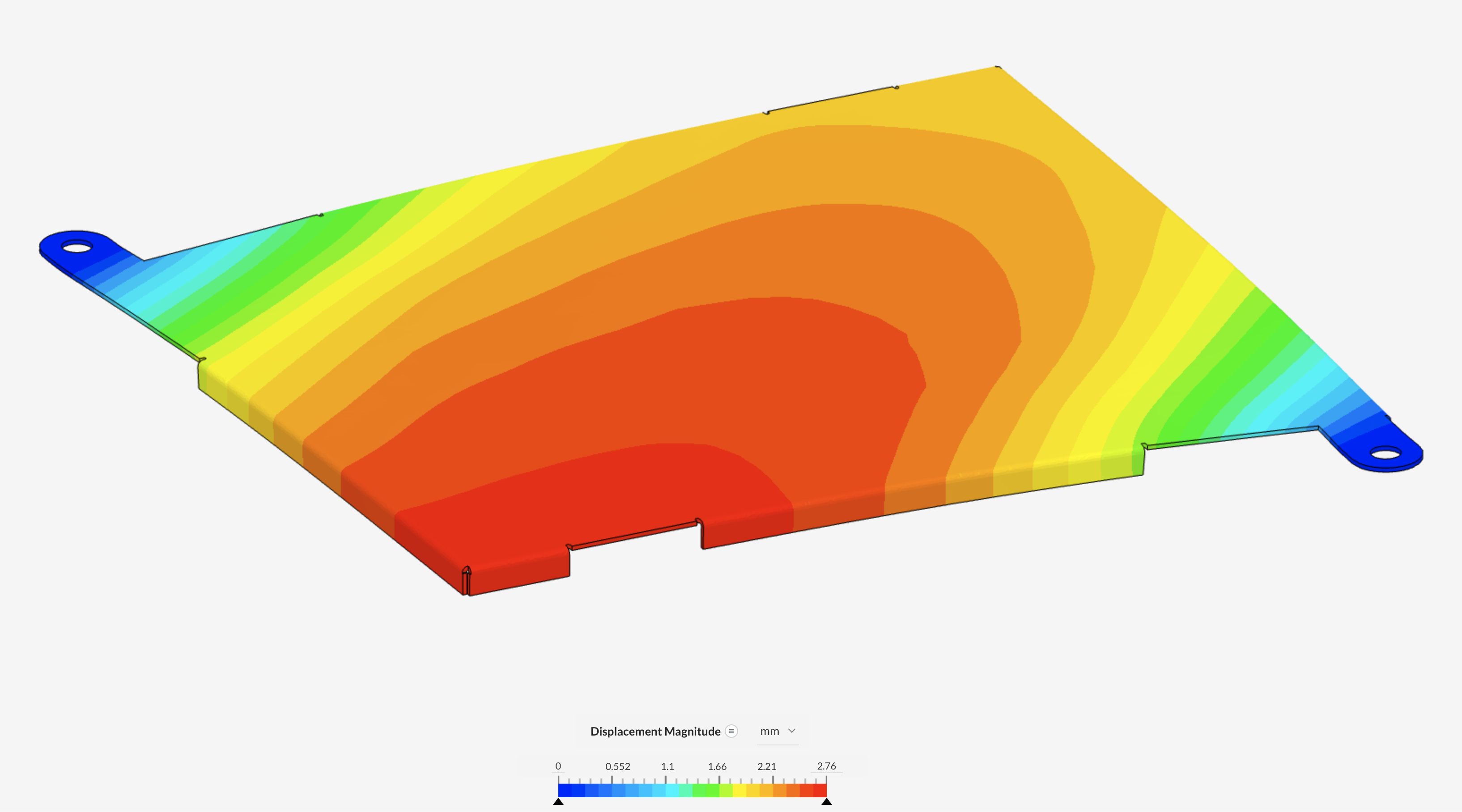
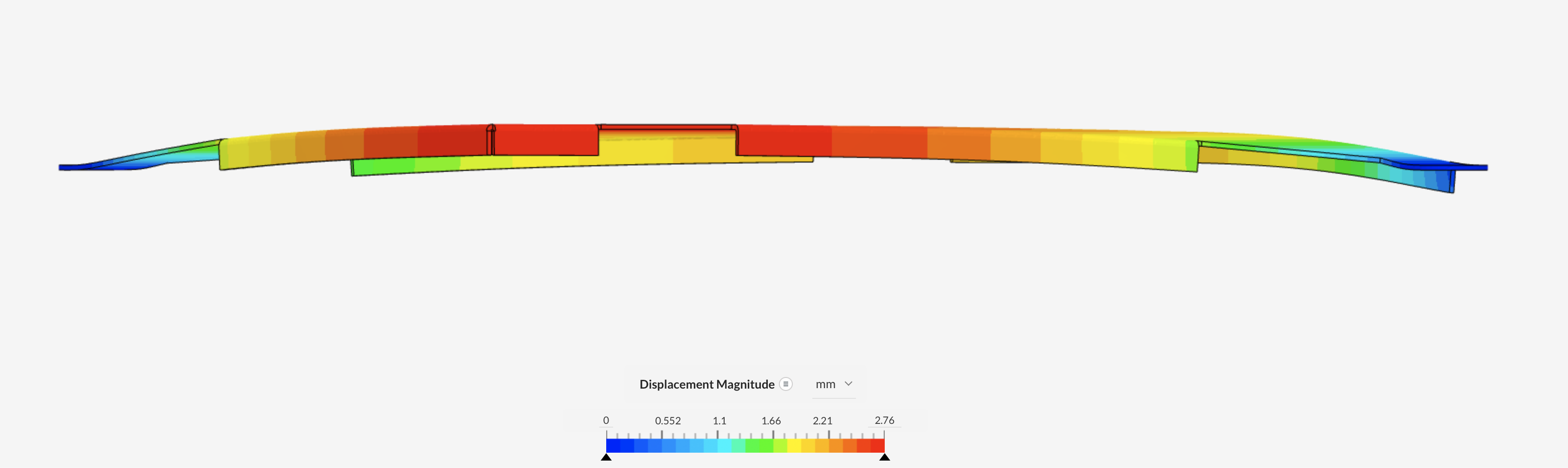
To represent the swelling battery, we applied a uniform pressure of 0.5 MPa over an elliptical area of the cover. The FEA shows a maximum displacement of 2.76 mm. Assuming the other side of the battery doesn't yield at all, the maximum von Mises stress is about 5.4 GPa, roughly seven times the 758 MPa yield strength, so under the full 0.5 MPa the cover would yield and permanently bulge. Because the simulation is linear-elastic, the real displacement would be larger than 2.76 mm. This is a worst case. The 0.5 MPa figure is for a battery that's fully held in place, the pressure drops as the cover gives way, and the 1 mm foam pad absorbs some of the swelling first. In practice the cover likely bulges slightly rather than failing, and the extra space in the Kindle's case means a user may not notice.
How hard is it to take back apart?
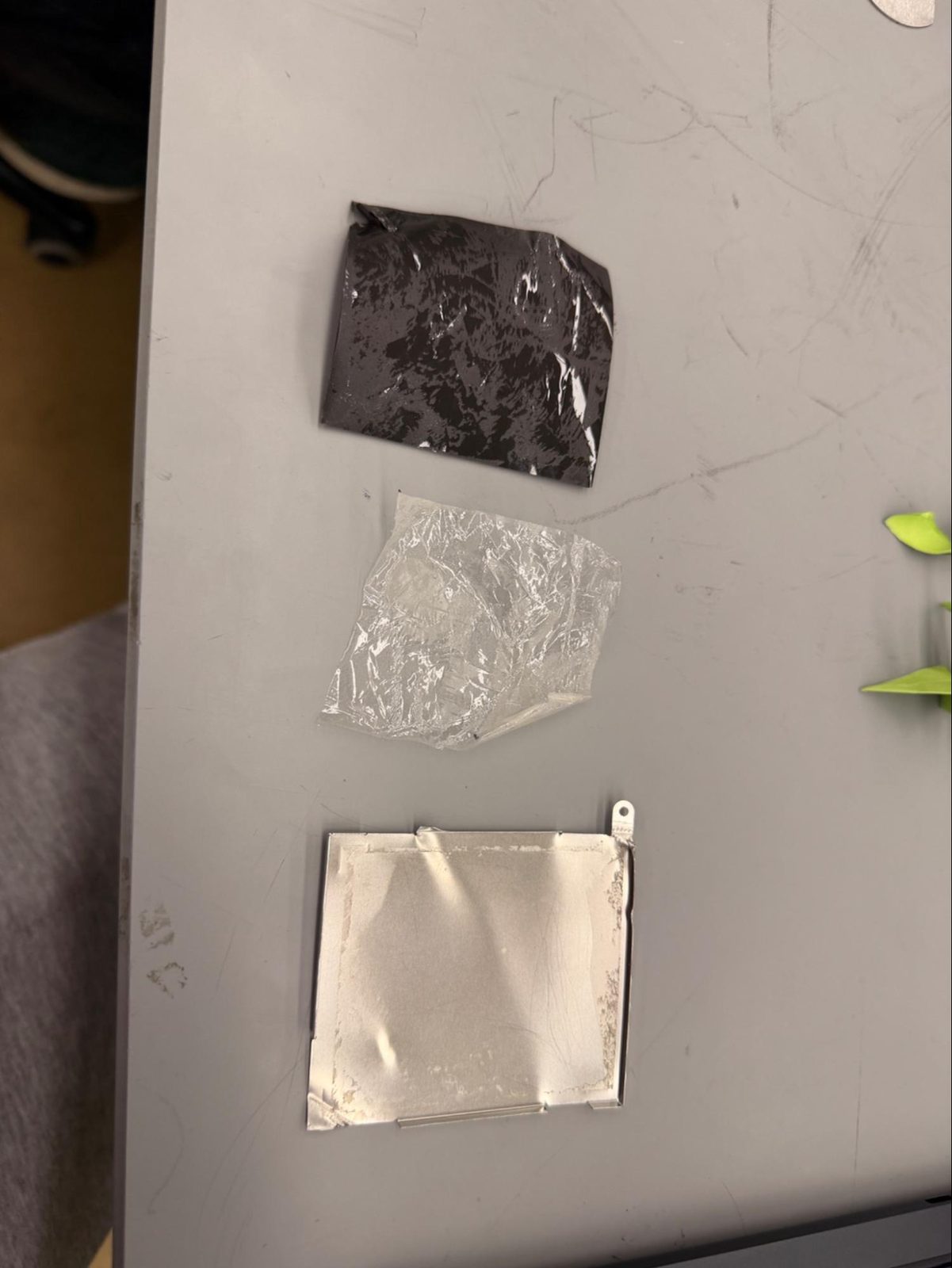
Before the cover can be recycled as clean stainless steel, everything stuck to it has to come off. Here is how our teardown went:
- Pry off the Kindle's outer plastic case.
- Remove the two screws holding the battery cover to the chassis.
- Lift the lithium-ion battery off the cover. The battery isn’t glued down; the only adhesive is what holds the foam pad to the cover.
- Peel the black foam pad off the cover. Underneath is a thin plastic film, which also peels off by hand.
- Wipe off the leftover adhesive with ethanol.
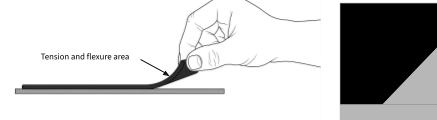
Peeling foam tape takes up to about 35 N [3], easily done by hand. The real stress state is complicated, with tension in the adhesive and some twisting. To estimate the stress in the steel, we assumed the peel force pulls along the face of the cover, which loads its cross-section in simple tension:
Stress in the cover during peeling
About 0.3% of the yield strength: purely elastic, and the steel springs back unharmed.
Taking the cover apart barely loads the steel at all. And since the steel is going to be melted down, a little bending wouldn't matter anyway.
The battery cover is easy to recycle: two screws and a peel. It would be even easier without the adhesive. The bent walls and screws already hold the battery in place, so the glue mostly adds a cleaning step (and a solvent) between the device and a clean stream of stainless steel.
Sources
- Lithium-ion battery swelling pressure, Princeton University Spike Lab, paper 103. spikelab.mycpanel.princeton.edu/papers/103.pdf
- Peel force of adhesive foam tape, Force Channel. force-channel.com
- Ansys Granta EduPack, record for AISI 301 stainless steel (composition and mechanical properties).
- Flexure formula, Engineering Core Courses. engineeringcorecourses.com
- ASM International. ASM Handbook: Metallography and Microstructures. dl.asminternational.org
- Knovel (Elsevier), resource kpCUB00002, p. 257. app.knovel.com
- Knovel (Elsevier), resource kpCUB00002, p. 247. app.knovel.com
- Deformation induced martensitic transformation of metastable stainless steel AISI 301. ResearchGate. researchgate.net